-
Email
-
WhatsApp
-
Address
Zhengzhou,Henan,China
Zhengzhou,Henan,China
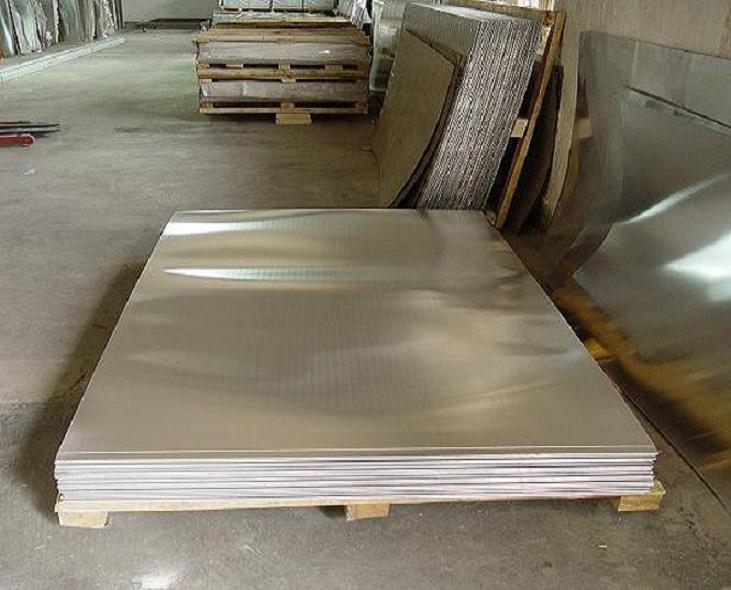
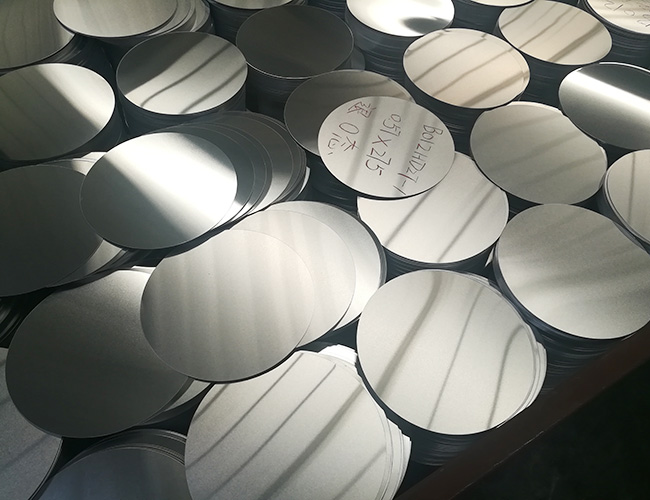
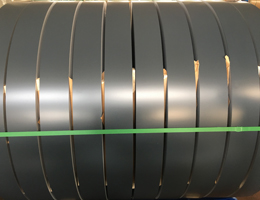
A thin aluminum sheet metal is a wide and thin sheet extending from an aluminum plate with a thickness of 0.2-6.0 mm. The aluminum grade of aluminum sheet metal rang from 1000 series to 8000 series, and the common used alloys are 1060, 1100, 3003, 3105, 5052, 5083, 5086, 6061 and 7075.
24 X 48 2'X4' 2024-0 1100-O Aluminium Alloy Sheet Long Span Roofing. Contact Now Get Best Price. ... 3mm 2 Mm 2 Gauge Aluminum Alloy Sheet Metal Bending 1200 3003 5052 5083 6061 H14 H24. Contact Now Get Best Price. 1200 3003 5052 5083 6061 H14 H24) Aluminum/Aluminized Steel Plate For Building Material 1.product description Description
6061 Aluminum Sheet - XINYU. 6061 Aluminum Sheet. Thickness:0.2-600mm. Width:200-2200mm. Length:Under 6000mm normally or customized. Weight:0.5-7.0 tons per pallet or customized. Temper:various Temper (HO-H321) Surface treatment: mill finished and silvery aluminum plain color. specification or package can be produced as your request. 1
Aluminum plain sheet. Aluminum sheet refers to the rectangular plate rolled and processed with aluminum ingots, which is d... Aluminum checkered sheet/plate. Alloy SeriesTypical Alloy1000 Series1050 1060 1070 1080 11002000 Series2024(2A12), LY12, LY11, 2A11,... Aluminum disc/circle
3003-H14 Aluminum Sheet - (ASTM B209, QQ-A-250/2) Excellent weldability and formability, with good corrosion resistance makes 3003 Aluminum Sheet a popular and economical choice. 3003 Aluminum Sheet has a smooth, semi-shiny finish and is popular for many applications, including: fuel tanks, food chemical handling, trailer siding roofing, etc. Mill Finish - Not
Mar 22, 2006 of 0.4 mm to a thin stainless steel sheet with the thickness of 0.2 mm was obtained by Yoshikawa and Harano (Ref 10). The temperature rise and the plastic flow of aluminum at the top of the stainless steel sheet promoted solid phase diffusion across the interface between the aluminum and the stainless steel sheets. In this paper, friction stir ...
for joining aluminum alloys and is expanding its appli-cation in joining steels [9,10], is expected to provide a practical solution for joining aluminum–steel. Watanabe et al. [11] reported the joining of steel to an aluminum alloy 2-mm thick by interface-activated adhesion welding with a preliminarily satisfactory joint,