-
Email
-
WhatsApp
-
Address
Zhengzhou,Henan,China
Zhengzhou,Henan,China
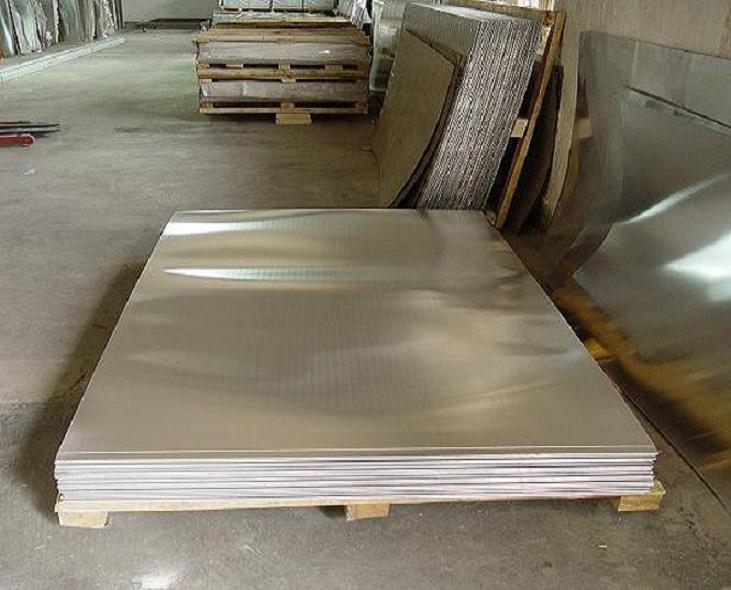
Thin Layer Chromatography Aluminum Foil Plate (HPTLC) 1. Properties: Thin layer chromatography aluminum foil plate is the chromatographic material which using efficient silica gel powder as adsorbent, and modulating with a new organic binder, then coating silica gel on glass plate uniformly with automatic coating apparatus.
Thin Layer Chromatography is a technique used to isolate non-volatile mixtures. The experiment is conducted on a sheet of aluminium foil, plastic, or glass which is coated with a thin layer of adsorbent material. The material usually used is aluminium oxide, cellulose, or silica gel.
预计阅读时间:6 分钟Figs. 2, Expt. 4). Fit a piece of aluminum foil over the mouth of the beaker. Place the plate that you have spotted in the beaker, cover it with the foil, and allow the solvent front to move up the plate until it is approximately 1 cm from the top. Do not disturb the beaker while the chromatogram is developing! In this case, the solvent will travel
Thin Layer Chromatography Aluminum Foil Plate (HPTLC) 1. Properties: Thin layer chromatography aluminum foil plate is the chromatographic material which using efficient silica gel powder as adsorbent, and modulating with a new organic binder, then coating silica gel on glass plate uniformly with automatic coating apparatus.
The thin-layer chromatography silica gel plates can be used directly for qualitative and quantitative analysis of various types of organic substances. Special notes: Aluminum foil material is used on the back of aluminum foil chromatography silica gel plate, which will inevitably generate aluminum rust.
4.8/5(7)Figs. 2, Expt. 4). Fit a piece of aluminum foil over the mouth of the beaker. Place the plate that you have spotted in the beaker, cover it with the foil, and allow the solvent front to move up the plate until it is approximately 1 cm from the top. Do not disturb the beaker while the chromatogram is developing! In this case, the solvent will travel
Thin Layer Chromatography Plates Technical specifications. The followed is the parameter of conventional product, specific request can be customized. Item. Analysis plate. Preparation plate. Aluminum foil plate. Thickness. 0.2-0.25mm. 0.4-0.5mm.
The thin-layer chromatography silica gel plates can be used directly for qualitative and quantitative analysis of various types of organic substances. Special notes: Aluminum foil material is used on the back of aluminum foil chromatography silica gel plate, which will inevitably generate aluminum rust.
3.8/5(5)Aug 01, 2021 Thin Layer Chromatography is a strategy used to detach non-volatile blends. The trial is directed on a sheet of aluminium foil, plastic, or glass which is covered with a thin layer of adsorbent material. The material normally utilized is aluminium oxide, cellulose, or silica gel. After the example has been applied on the plate, a dissolvable or ...
Dec 26, 2014 Thin layer chromatography (TLC) is a chromatography technique used to separate non-volatile mixtures. Thin layer chromatography is performed on a sheet of glass, plastic, or aluminium foil, which is coated with a thin layer of adsorbent material, usually silica gel, aluminium oxide, or cellulose.
Thin layer chromatography TLC 04 12 13 16 page page page page ... Silica gel 60* 20 x 20 25 plates aluminium 1.05553.0001 5 x 10 50 plates aluminium 1.16835.0001 ... It is carefully wrapped in a special aluminium foil. This prevents any deposition of plasticizers from the
Plate involved in the Thin Layer Chromatography. The plate is a thin layer of stationary phases applied on an inert and non-reactive slide of glass, aluminum foil or sheet. The ready-made plates are also present in the market, but there are certain situations when a chemist needs to prepare his plates. Procedure for preparing TCL plates
Thin Layer Chromatography (TLC) Thin layer chromatography (TLC) is a widely used separation technique for quantitative and qualitative analysis. It uses a thin layer of a stationary phase coated on a glass, plastic, or aluminum plate. A liquid solvent called the mobile phase carries the sample and separates it as it moves across the plate.
Chromatography is based on the interaction of the components in a mixture with a stationary phase and a mobile phase. In TLC, the stationary phase is a solid adsorbent that is adhered to a glass, plastic, or aluminum plate, and the mobile phase is a solvent or solvent mixture. The mixture to be separated is placed near the bottom of the plate ...
Nov 01, 2021 TLC(Thin Layer Chromotogrphy): Thin-layer chromatography is a chromatography technique used to separate non-volatile mixtures. Thin-layer chromatography is performed on a sheet of an inert substrate such as glass, plastic, or aluminium foil, which is coated with a thin layer of adsorbent material, usually silica gel, aluminium oxide, or cellulose.
SHANGHAI SANPONT CO., LTD. 1. Properties: Thin layer chromatography microcrystalline cellulose plate is the chromatographic material which using microcrystalline cellulose powder as adsorbent, and modulating with polymer binder, then coat on glass plate uniformly. This product has no polarity, and is a partition chromatography material.
Thin-layer chromatography is done on a glass, plastic, or aluminium foil sheet that has been covered with a thin layer of adsorbent material, commonly silica gel, aluminium oxide (alumina), or cellulose. The stationary phase refers to the adsorbent layer. A solvent or solvent combination (known as the mobile phase) is drawn up the plate via ...
Thin Layer Chromatography Plates Technical specifications. The followed is the parameter of conventional product, specific request can be customized. Item. Analysis plate. Preparation plate. Aluminum foil plate. Thickness. 0.2-0.25mm. 0.4-0.5mm.
Nov 15, 2021 Thin layer chromatography (TLC) is a technique used for separation of elements from a mixture of compounds. This method relies on adsorption of elements based on their polarity on the stationary mobile phases. Stationary phase is a thin layer of silica gel applied on a thin layer chromatography plate made of glass, plastic or aluminium foil.
Thin-layer chromatography (TLC) is a chromatography technique used to separate non-volatile mixtures.Thin-layer chromatography is performed on a sheet of glass, plastic, or aluminium foil, which is coated with a thin layer of adsorbent material, usually silica gel, aluminium oxide (alumina), or cellulose.
Thin layer chromatography is performed on a sheet or plate (about 0.25mm thick) of glass, aluminum foil or plastic which is coated with a thin layer of solid ADSORBENT material. The adsorbent material is usually silica gel 400-800 mesh size with a binder or without a binder, silica gel with a binder is known as Silica Gel G TLC grade as it contain Gypsum as a binder, which
Nov 01, 2021 TLC(Thin Layer Chromotogrphy): Thin-layer chromatography is a chromatography technique used to separate non-volatile mixtures. Thin-layer chromatography is performed on a sheet of an inert substrate such as glass, plastic, or aluminium foil, which is coated with a thin layer of adsorbent material, usually silica gel, aluminium oxide, or cellulose.
Chromatography is based on the interaction of the components in a mixture with a stationary phase and a mobile phase. In TLC, the stationary phase is a solid adsorbent that is adhered to a glass, plastic, or aluminum plate, and the mobile phase is a solvent or solvent mixture. The mixture to be separated is placed near the bottom of the plate ...
Nov 11, 2021 Answer: Thin layer chromatography (TLC) involves separation of substances by partition and adsorption. There is a thin layer of silica gel or alumina in definite thickness spread on the plate and the plate is activated in an oven. These days prepaid plates are available with different thickness o...
Background. Thin layer chromatography (TLC) is used routinely in the laboratory to both monitor reactions and analyse the purity of samples. TLC is a type of adsorption chromatography, and the most common substrates used for the stationary phases in the lab, are silica (SiO 2) and alumina (Al 2 O 3).It is recommended that you read the page on adsorption chromatography
Aug 01, 2021 Thin Layer Chromatography is a strategy used to detach non-volatile blends. The trial is directed on a sheet of aluminium foil, plastic, or glass which is covered with a thin layer of adsorbent material. The material normally utilized is aluminium oxide, cellulose, or silica gel. After the example has been applied on the plate, a dissolvable or ...
a thin layer of a solid adsorbent (usually silica gel or aluminium oxide) as a spot. The spot may contain between 1 and 200 µg of the solute, which may be a complex mixture. The solid adsorbent is spread as a thin layer on a glass plate or sheet of aluminium foil or plastic. This layer of adsorbent constitutes the stationary phase. The plate ...
Aluminum foil is preferable to all other materials for TLC plates. Compared with glass plates, foil plates are thin, lightweight, and easy to handle. They can easily be cut to desired dimensions with scissors and can be stored in a laboratory notebook. Moreover, aluminum plates have strong adsorbent layer adherence and are good for use
Thin Layer Chromatography Aluminum Foil Plate (HPTLC) 1. Properties: Thin layer chromatography aluminum foil plate is the chromatographic material which using efficient silica gel powder as adsorbent, and modulating with a new organic binder, then coating silica gel on glass plate uniformly with automatic coating apparatus.
Thin layer chromatography Thin layer chromatography (tlc) is an analytical technique for determining the composition of a ... The plates used for tlc are commercially available as either silica gel or alumina adsorbents on either a plastic or aluminum foil support. The plates are supplied in a 20 x 20 cm size. For organic chemistry, the plates ...
Thin layer chromatography is performed on a sheet or plate (about 0.25mm thick) of glass, aluminum foil or plastic which is coated with a thin layer of solid ADSORBENT material. The adsorbent material is usually silica gel 400-800 mesh size with a binder or without a binder, silica gel with a binder is known as Silica Gel G TLC grade as it contain Gypsum as a binder, which
May 06, 2013 A thin layer (about 0.2mm thick) of an adsorbent (Silica gel or alumina) is spread over a glass plate of suitable size. There are ready made plates also available for this puprose which is percolated in Aluminium or zinc foil for easy separation. The plate is known as thin layer chromatography plate.
Background. Thin layer chromatography (TLC) is used routinely in the laboratory to both monitor reactions and analyse the purity of samples. TLC is a type of adsorption chromatography, and the most common substrates used for the stationary phases in the lab, are silica (SiO 2) and alumina (Al 2 O 3).It is recommended that you read the page on adsorption chromatography
Thin layer chromatography (TLC) plate diagram. Silica TLC plates are usually supplied as silica powder supported on a plate of aluminium foil. (Large plates can be cut into small plates with scissors, typically 3 x 6 cm). The hydroxyl-terminated silica adsorbs analytes (the solute) to varying degrees, and an organic solvent is used as the ...
Chromatography testing. 96-well pierceable Cap Mat is lined with the sample PTFE/Silicone septa used in closures for Chromatography. Glass Inserts provide an inert solvent resistant environment for samples. Assembled plate has excellent thermal stability. Pierceable Cap Mat is designed to seal crimp
Nov 11, 2021 Answer: Thin layer chromatography (TLC) involves separation of substances by partition and adsorption. There is a thin layer of silica gel or alumina in definite thickness spread on the plate and the plate is activated in an oven. These days prepaid plates are available with different thickness o...
a thin layer of a solid adsorbent (usually silica gel or aluminium oxide) as a spot. The spot may contain between 1 and 200 µg of the solute, which may be a complex mixture. The solid adsorbent is spread as a thin layer on a glass plate or sheet of aluminium foil or plastic. This layer of adsorbent constitutes the stationary phase. The plate ...
cover the beaker with aluminum foil to reach liquid-vapor equilibrium Draw a line at a position about 0.5 cm above the bottom of the TLC plate with a pencil Fill the capillary tube with the original extract (r) and touch to the TLC plate briefly Place two spots of the fractions to the plate using another capillary tube 7 1. Spotting 2.